

The Best Time to Visit Ireland (And What Most Travelers Get Wrong)
One of the most common questions I get is, “When’s the best time to visit Ireland?”
The honest answer is that it depends on what kind of experience you’re looking for. And that’s exactly where most travelers get it wrong.
Many people assume summer is automatically the best time to go. Longer days, warmer temperatures, lush green landscapes. On paper, it sounds perfect. But Ireland isn’t a destination where weather alone should drive your decision.
Ireland is about atmosphere. Culture. Pace. Access. And how you want to feel while you’re there.
Summer in Ireland: Beautiful, But Busy
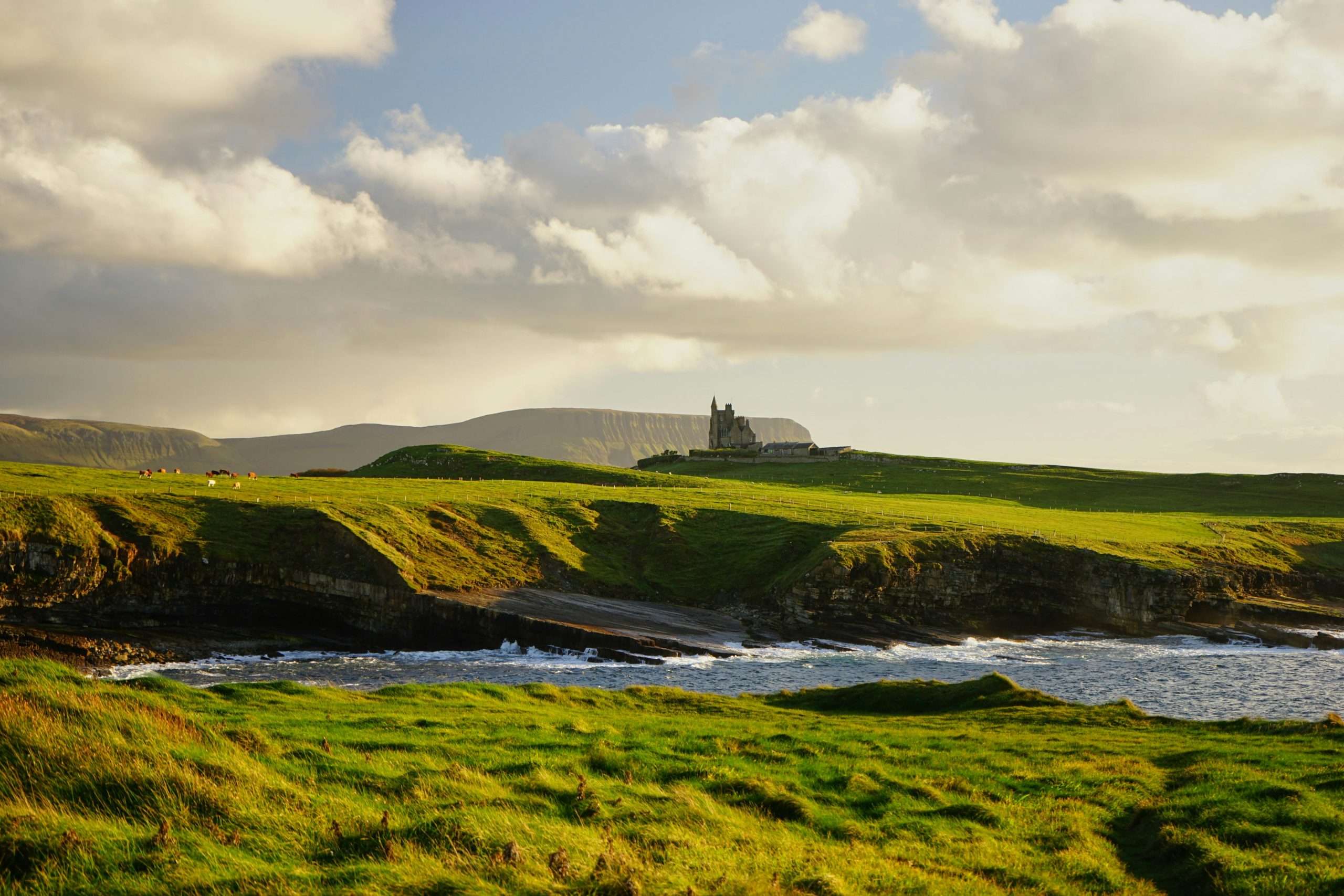
June, July, and August offer the longest daylight hours of the year. You can explore well into the evening, and the countryside is vibrantly green.
But summer also brings peak crowds, higher hotel rates, and greater competition for the best private guides, boutique hotels, and unique accommodations. Popular sites like the Cliffs of Moher and Blarney Castle can feel much more congested during this window.
If you’re planning a milestone celebration or traveling with multiple generations who need school schedules to align, summer can work beautifully. It just requires thoughtful pacing and early planning to make sure the experience feels seamless rather than rushed.
Shoulder Season: Ireland’s Sweet Spot
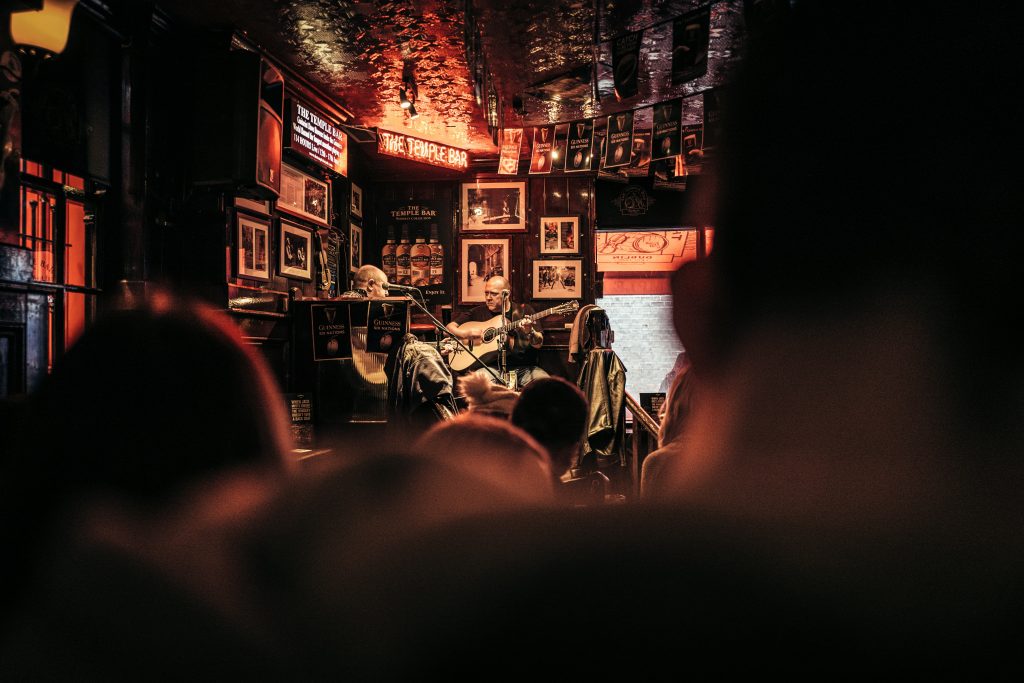
In my experience, late April through early June and September into early October often offer the most balanced experience.
You’ll still enjoy mild temperatures and blooming landscapes, but with fewer crowds and more breathing room. Restaurants feel relaxed. Smaller properties are easier to secure. Guides have more flexibility to personalize your experience.
This is when Ireland feels most intimate.
If your goal is cultural immersion, connection, and time to truly experience each place rather than simply move through it, shoulder season often delivers the richest return.
Winter and Early Spring: Atmospheric and Quiet
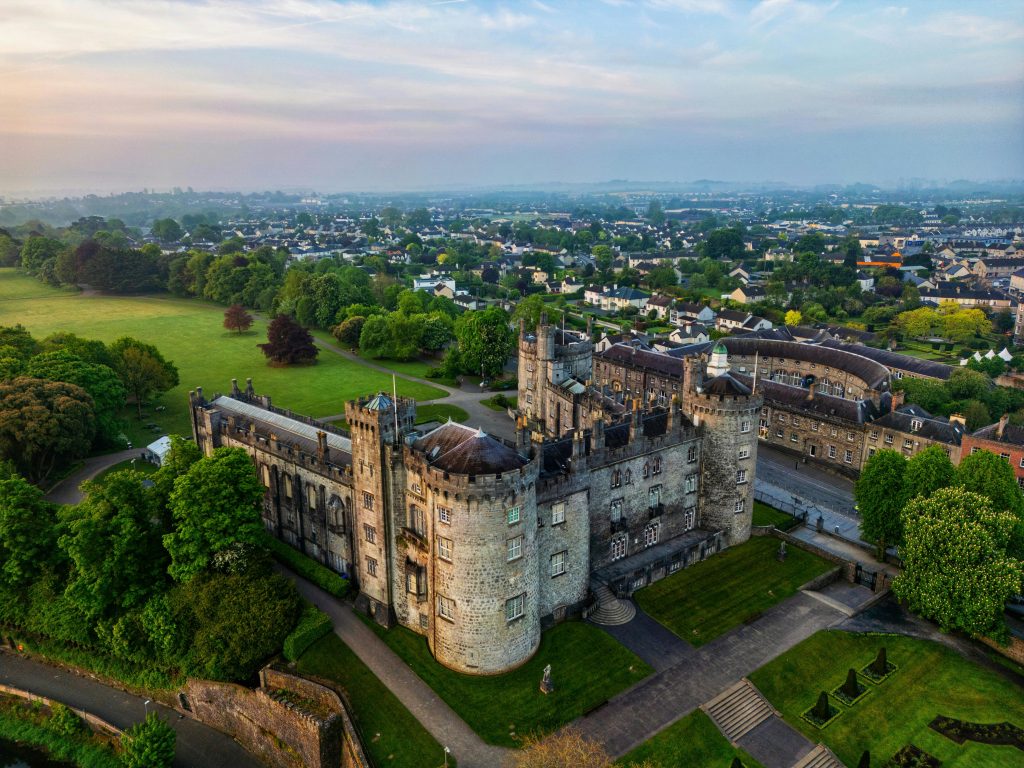
Ireland in late fall and winter carries a different kind of beauty. Fewer tourists. Cozy pub evenings. A slower rhythm of life.
It’s not ideal if your priority is long countryside drives and full sightseeing days, but it can be wonderful for travelers who value atmosphere and don’t mind layering up.
How Far in Advance Should You Book Ireland?
This is where timing becomes just as important as season.
For peak summer travel, I recommend beginning the planning process at least 9 to 12 months in advance. The best small hotels, castle stays, and private driver guides book quickly, especially for multi-generational trips or larger groups.
For shoulder season, 6 to 9 months ahead is typically ideal, particularly if you want access to top accommodations and specialty experiences like cooking classes, cultural workshops, or unique estate stays.
If you’re considering a fully hosted or curated journey with layered experiences built in, planning even earlier gives you the best options and the most flexibility.
Ireland rewards those who plan thoughtfully. The difference between a good trip and an extraordinary one often comes down to timing and access.
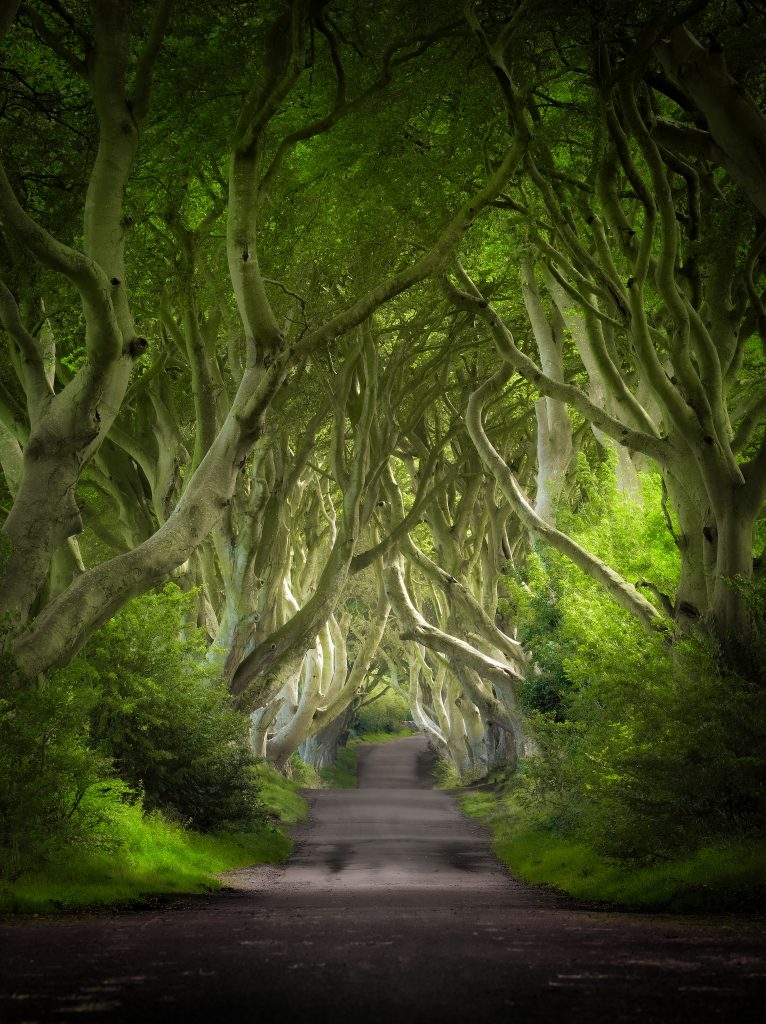
The best time to visit Ireland isn’t just about weather. It’s about aligning the right season with your travel style, your pace, and how deeply you want to experience the destination.
And when that alignment happens, Ireland stays with you long after you’ve returned home.