Golf Travel Reimagined

Trying to Plan a Golf Trip That Actually Works 

If you’ve looked into planning a golf trip recently, you may have noticed it’s not as simple as picking a course and booking a tee time. 

Between coordinating schedules, securing the right accommodations, and making sure the destination works for everyone involved, it can start to feel more complicated than expected. That’s especially true if the trip includes non-golfers or is tied to a specific event. 

It often turns into something that gets postponed because there are too many details to sort through. 

Where It Starts to Break Down 

The challenge is that golf trips today are rarely just about the round itself. 

You’re not only thinking about the course, but also where you’re staying, how far everything is from each other, what others in your group will be doing, and how the overall experience comes together. 

If those pieces are not aligned early, the trip can feel disjointed or more logistical than enjoyable. 
What Makes a Golf Trip Come Together 

What tends to work best is approaching the trip as a full experience, not just a series of tee times. 

That means choosing a destination where the golf is strong, but the surrounding environment supports the rest of the trip. In many cases, that includes resorts or locations that offer options beyond the course, so everyone has a way to enjoy their time. 

It also helps to anchor the trip around something specific, such as a tournament or event. Having that structure in place simplifies decisions and gives the trip a clear focus. 

How I Help Structure These Trips 

When I plan golf travel, I start by understanding how the group wants the trip to feel, not just where they want to play. 

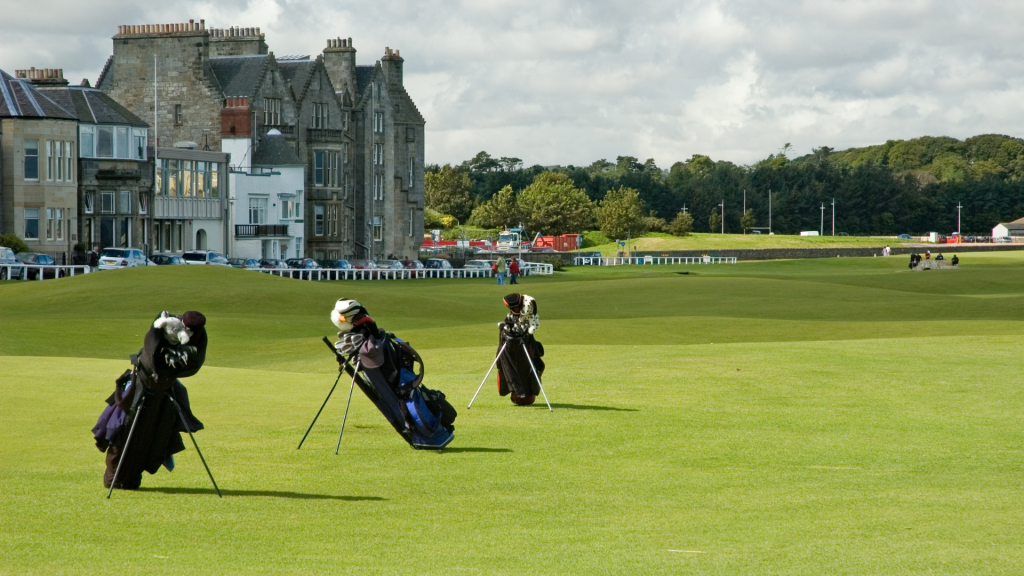
From there, I look at destinations that naturally support both the golf experience and everything around it. That may include properties like Pebble Beach Golf Links for a more iconic experience, or Kiawah Island Golf Resort for a setting that balances strong course access with a broader resort environment. 

I also factor in timing early. Tee times, accommodations, and event availability tend to tighten quickly, especially heading into summer and fall. 

Why Planning Ahead Changes the Outcome 

Right now, there is a noticeable increase in interest around golf-related travel, particularly tied to seasonal events and group trips. 

Waiting too long usually limits options and makes it harder to keep everything coordinated in one place. Planning earlier allows for better alignment across the group and a more seamless overall experience. 

It also creates more flexibility to incorporate additional elements, whether that’s extending the trip or pairing it with another type of travel. 

If You’ve Been Thinking About It 

If a golf trip has been on your mind, this is a good time to start working through the details. 

We can look at timing, destinations, and how to structure the trip so it feels cohesive without becoming overly complicated. 

What It Looks Like When It’s Done Well 

When everything is aligned from the beginning, the trip feels easy to move through. 

You’re not spending time managing logistics or adjusting plans. Instead, you’re able to focus on the experience itself, both on the course and outside of it. 

That’s typically what turns a golf trip into something you look forward to repeating. 

Family Travel that Connects

Planning a Trip for Everyone Isn’t Simple 

If you’ve started thinking about planning a trip that includes your entire family, you’ve probably already realized it’s not as straightforward as it sounds. 

Coordinating different schedules, budgets, and travel preferences across multiple households can quickly become overwhelming. Add in different age groups, and it often turns into a series of compromises rather than something everyone is genuinely looking forward to. 

It’s usually at this point that the idea either gets delayed or quietly dropped. 

Why It Feels So Complicated 

The challenge isn’t just choosing a destination. It’s making sure the trip actually works for everyone involved. 

You may be trying to balance what works for young kids, what keeps teenagers engaged, and what feels enjoyable and manageable for parents or grandparents. At the same time, you’re trying to align timing, secure enough space, and make sure no one feels left out of the planning process. 

Without a clear structure, it can feel like too many moving parts to confidently move forward. 

What Actually Makes This Work 

What I have found is that successful multi-generational trips are less about finding the perfect destination, and more about choosing the right type of experience. 

You need something that naturally allows for both shared time and flexibility. A structure where everyone can come together when it makes sense, but also have space to do their own thing without it feeling disjointed. 

That’s where the right planning approach makes a difference. 

How I Help Simplify the Process 

When I work with families on trips like this, I focus on creating a plan that accounts for each group without overcomplicating the experience. 

Cruising has been one of the most effective options for this, especially with ships designed to support a wide range of ages and interests. Options like Star of the Seas are built with that in mind, which allows families to stay connected without needing to coordinate every detail throughout the day. 

I also look at timing early in the process. The earlier we start, the more flexibility there is with cabin selection and keeping everyone in close proximity, which tends to make the experience much smoother. 

Why Timing Matters More Than You Think 

Right now, I am seeing increased interest in multi-generational travel, particularly for group sailings. Availability is already starting to tighten for certain dates and cabin categories. 

If planning is delayed, the options become more limited, and it can be harder to keep everyone aligned in terms of location, pricing, and overall experience. 

Handled early, the process is significantly more straightforward and gives you more control over the outcome. 

If This Has Been on Your Mind 

If this is something you’ve been considering, now is a good time to start working through what it could look like for your family. 

We can map out the right timing, talk through destinations that make sense, and build a plan that keeps things organized without making it complicated. 

What This Looks Like When It’s Done Right 

When everything is set up properly, the focus shifts away from logistics and back to what the trip is really about. 

You’re able to spend time together without feeling pulled in different directions, and everyone has the space to enjoy the experience in their own way. 

That’s typically when these trips become the ones everyone continues to talk about long after they’re over. 


Why Train Travel Is Becoming One of the Most Meaningful Ways to See the World 

Every now and then, a type of trip comes along that feels a little different from the usual. 

Lately, for me, that’s been train travel. 

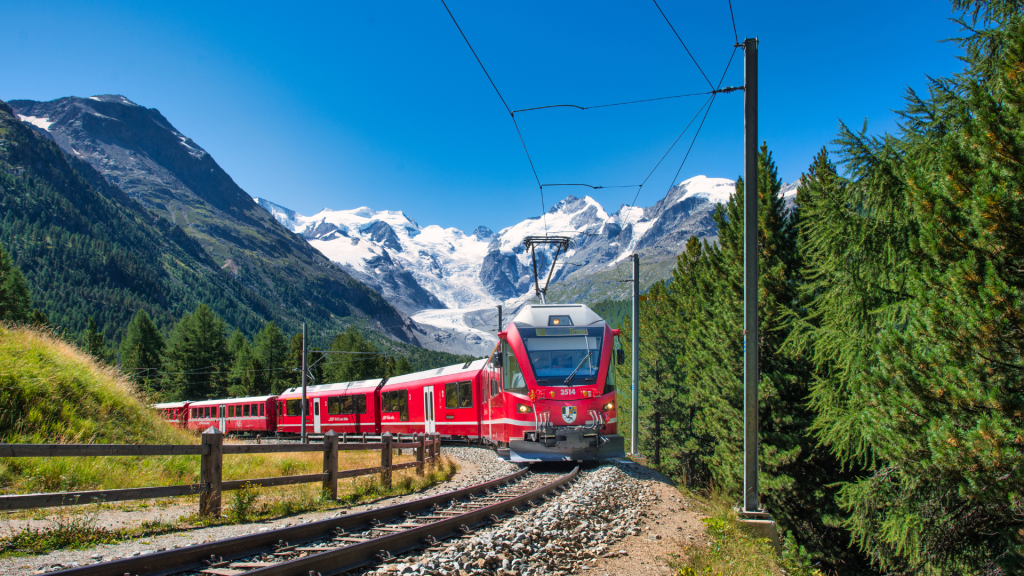
Not the kind you’re rushing to catch or using just to get from one place to another. I’m talking about the kind where the journey itself becomes the experience. 

And more and more, I’m seeing travelers drawn to it for exactly that reason. 

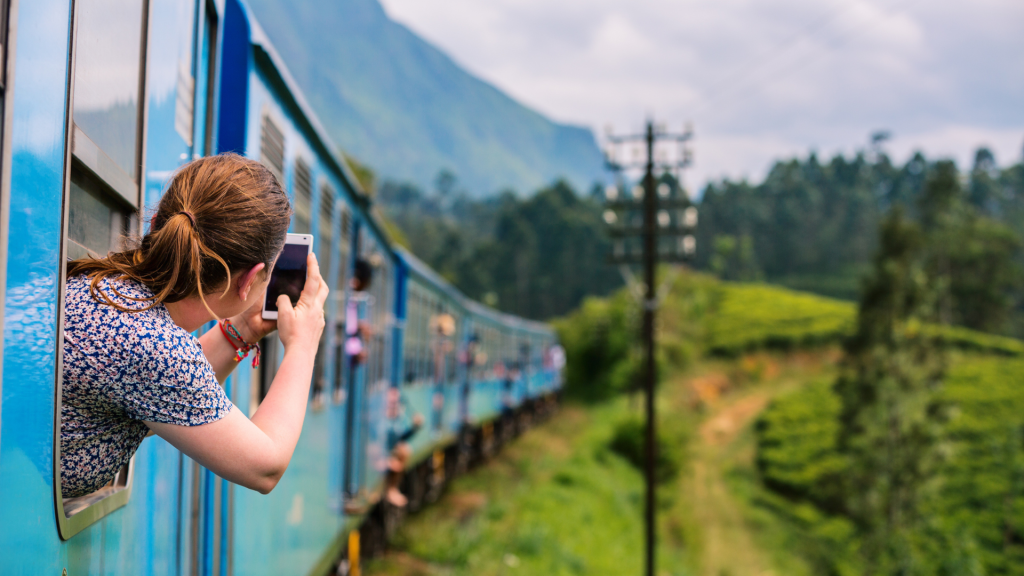
It’s often described as a “cruise on land” 

One of my clients recently described their upcoming train trip this way, and it stuck with me. 

A cruise on land. 

You’re moving from place to place, your itinerary is thoughtfully planned, and you don’t have to constantly pack and unpack or figure out what’s next. 

But instead of the ocean, you’re surrounded by mountains, canyons, rivers, and wide-open landscapes that you wouldn’t experience any other way. 

There’s a rhythm to it that feels slower, more intentional, and honestly more immersive. 


The scenery is part of the experience 

With train travel, you’re not just arriving at a destination. You’re seeing everything in between. 

There are a few different ways to experience this, depending on what kind of journey you’re looking for. 

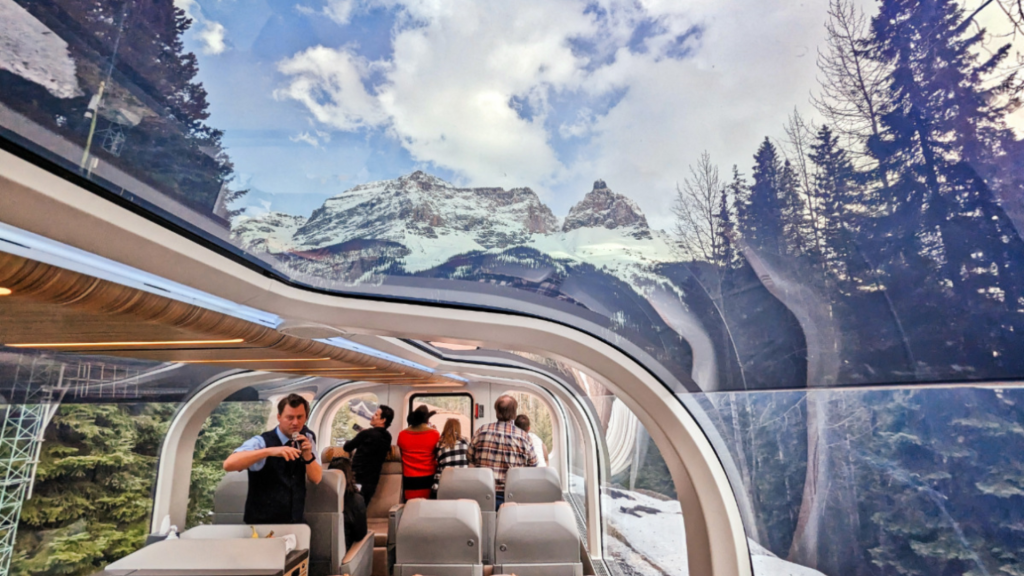
Journeys like Rocky Mountaineer are known for their elevated, scenic rail experiences with glass-dome coaches, exceptional service, and carefully designed routes through breathtaking landscapes. 

At the same time, options like the Canyon Spirit route offer a different kind of experience through the American Southwest, connecting places like Denver, Moab, and Salt Lake City with a strong focus on scenery and a relaxed, immersive pace. 

Both offer that same feeling of watching the landscape unfold around you, just in slightly different ways. 

That’s where having the right guidance really matters, because the experience can vary quite a bit depending on the route and the style of train you choose. 

It’s a different pace of travel 

This is one of the biggest reasons people are choosing it right now. 

Train journeys naturally slow things down. 

You’re not rushing through airports, dealing with tight connections, or trying to see everything at once. There’s time to settle in, take in your surroundings, and actually enjoy the experience as it happens. 

For a lot of travelers, that shift in pace is exactly what they’re looking for. 


It can be surprisingly comfortable and well thought out 

When people hear “train travel,” they don’t always realize how elevated these experiences can be. 

On journeys like Rocky Mountaineer, you’re not in a basic train car. You’re in thoughtfully designed coaches with panoramic views, comfortable seating, and attentive service throughout the journey. 

Meals are carefully prepared and often inspired by the regions you’re traveling through, adding another layer to the experience. 

It’s not about getting from point A to point B. It’s about how it feels along the way. 

It works beautifully for different types of travelers 

What I’ve found is that train travel appeals to a wide range of people. 

  • Travelers who want something different from a traditional cruise or resort stay  
  • Clients who prefer a more relaxed, structured experience  
  • Those looking for scenic, immersive travel without constant logistics  

It’s also a wonderful option for travelers who may want to avoid long travel days filled with airports and connections, while still experiencing multiple destinations in one trip. 


It pairs well with other experiences 

One of the things I love most about these trips is how easily they can be layered. 

A train journey can be: 

  • part of a larger national parks itinerary  
  • combined with a city stay at the beginning or end  
  • connected with other modes of travel to create a full, seamless experience  

It doesn’t have to stand alone. It can become part of something even bigger. 

If it’s been on your radar at all 

Train travel isn’t always the first thing people think of when planning a trip. 

But once it’s introduced as an option, it tends to resonate in a really strong way. 

If you’ve been looking for something that feels a little different, a little more intentional, and a little less rushed, it might be worth considering. 


If you’re curious about what this could look like 

This is one of those trips where having the right structure and flow really matters. 

There are a few different ways to approach it, depending on how you like to travel and what kind of experience you’re looking for. 

If it’s something you’ve been curious about, I’m always happy to talk through options and help you see what might be the best fit for you. 


Multigenerational Travel: How to Plan a Trip Everyone Will Actually Enjoy

If you’ve ever tried to plan a trip for more than just yourself or your immediate family, you already know it can get complicated quickly. 

Different ages.
Different energy levels.
Different expectations of what a “vacation” should look like. 

And yet, more families than ever are choosing to travel together across generations. Grandparents, adult children, and grandkids all sharing one experience. 

And when it’s done right, it’s one of the most meaningful trips you can take. 

Why Multigenerational Travel Is Becoming So Popular 

I’ve been seeing a big shift lately. 

Families aren’t waiting for the “perfect time” anymore. They’re choosing to travel now, while everyone can still be there together. 

Sometimes it’s a milestone birthday.
Sometimes it’s a retirement.
Sometimes it’s simply the realization that time together matters more than anything else. 

These trips aren’t just vacations. They’re memories in the making. 


The Biggest Challenge: Everyone Travels Differently 

The number one thing that makes multigenerational travel tricky is that everyone experiences travel differently. 

You might have: 

  • Someone who wants to be on the go all day 
  • Someone who prefers a slower pace 
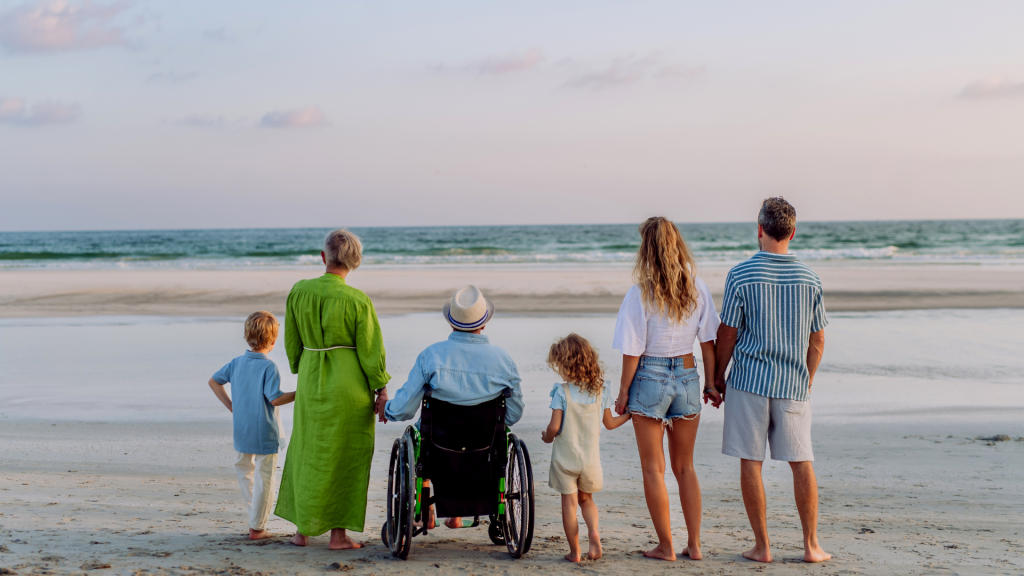
  • Someone who needs accessibility considerations 
  • Someone who just wants to relax and enjoy the scenery 

And all of those needs are valid. 

The goal isn’t to plan a trip that forces everyone into the same schedule. It’s to create a trip that allows everyone to enjoy it in their own way. 

Start With the Right Type of Trip 

Choosing the right type of travel experience makes everything easier from the start. 

Some of the best options for multigenerational travel include: 

Cruises 

Cruises are often one of the easiest ways to bring different generations together. 

Everyone has flexibility.
There are options for every age group.
And you don’t have to worry about constantly packing and unpacking. 


River Cruises 

For families traveling with older adults or those who prefer a slower pace, river cruises can be a great fit. 

  • Smaller ships 
  • Easy access to city centers 
  • A more relaxed, scenic experience 


Guided Land Tours 

These are ideal when you want structure without stress. 

Transportation, accommodations, and many activities are already planned, which takes the pressure off the group. 

Accessibility Matters More Than You Think 

One of the most important parts of planning a multigenerational trip is thinking through accessibility early. 

This doesn’t always mean someone needs a wheelchair full-time. 

It might mean: 

  • Needing shorter walking distances 
  • Planning for rest breaks 
  • Choosing excursions with easier access 
  • Making sure transportation is comfortable 

These small details can completely change how enjoyable a trip feels for everyone involved. 


Build in Flexibility 

One of the best things you can do when planning a trip like this is to avoid over-scheduling. 

Not everyone needs to do everything together. 

Some of the best trips I’ve seen include: 

  • Shared experiences during the day 
  • Free time built in 
  • Optional activities 

That way, everyone can participate at a level that feels comfortable to them. 

The Emotional Side of Travel 

This is the part that doesn’t always get talked about enough. 

These trips often carry more meaning than a typical vacation. 

They’re about: 

  • Time together 
  • Shared experiences 
  • Creating memories across generations 

And sometimes, they’re about taking a trip now instead of waiting. 


The Trips You’ll Always Be Glad You Took 

If there’s one thing I hear most often after these trips, it’s this: 

“I’m so glad we made the time.” 

Because while the logistics can feel complicated at first, the experience itself is what makes it all worth it. 


If You’re Thinking About It 

If a multigenerational trip has been on your mind, even in a small way, that’s usually the first sign it’s worth exploring. 

You don’t have to have everything figured out. 

You just need a starting point. 


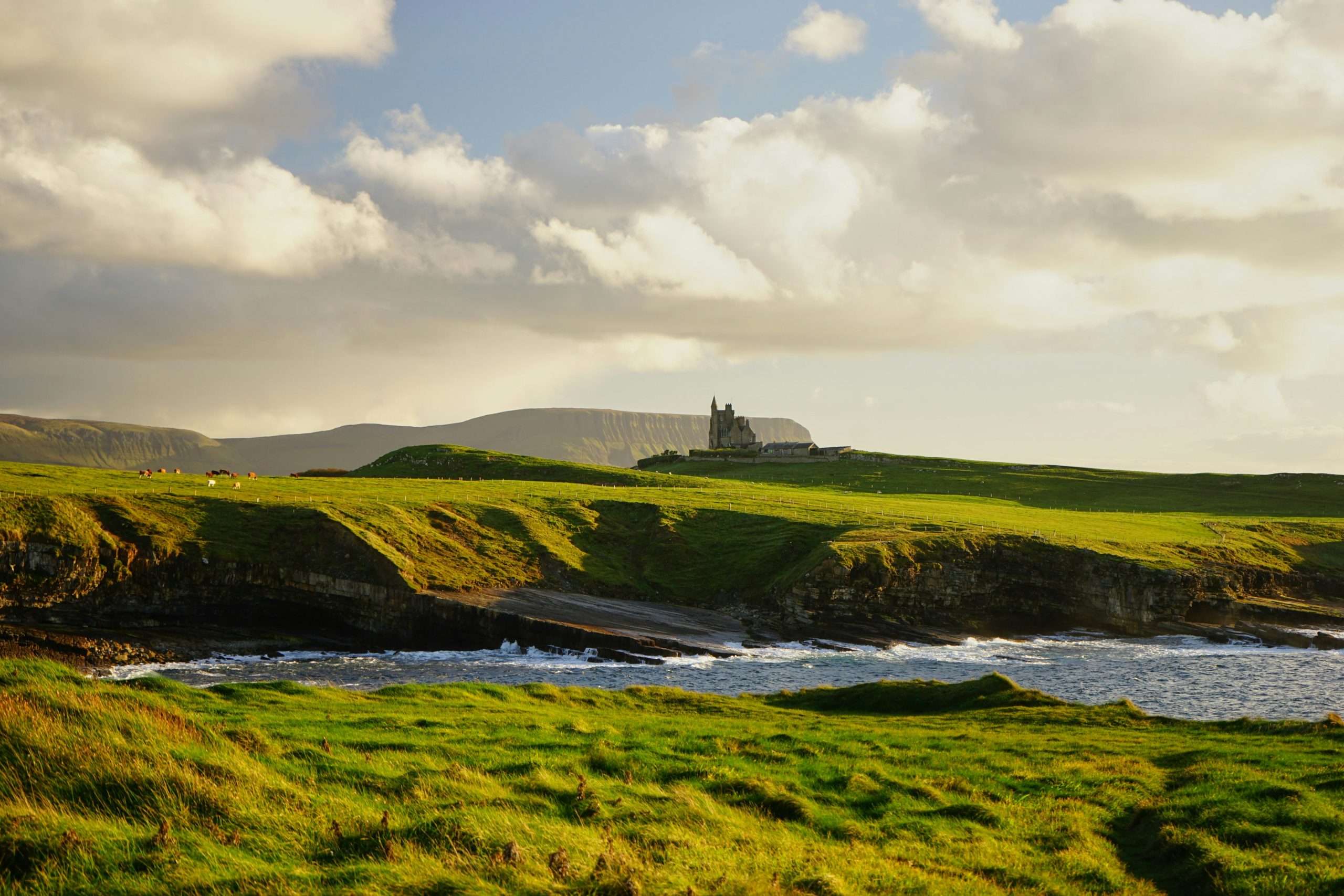
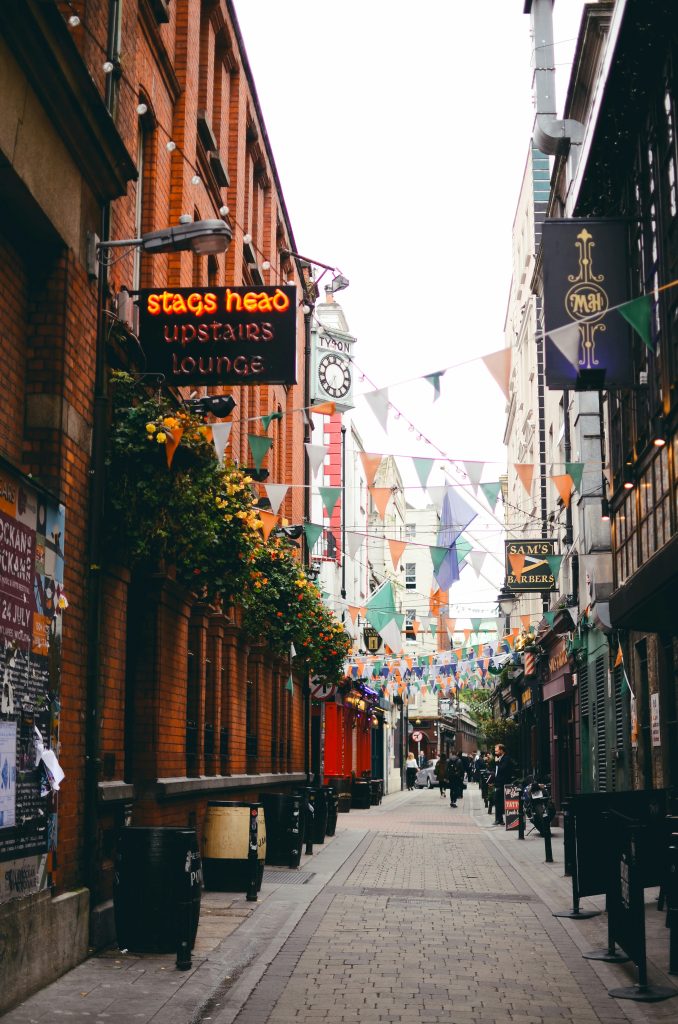
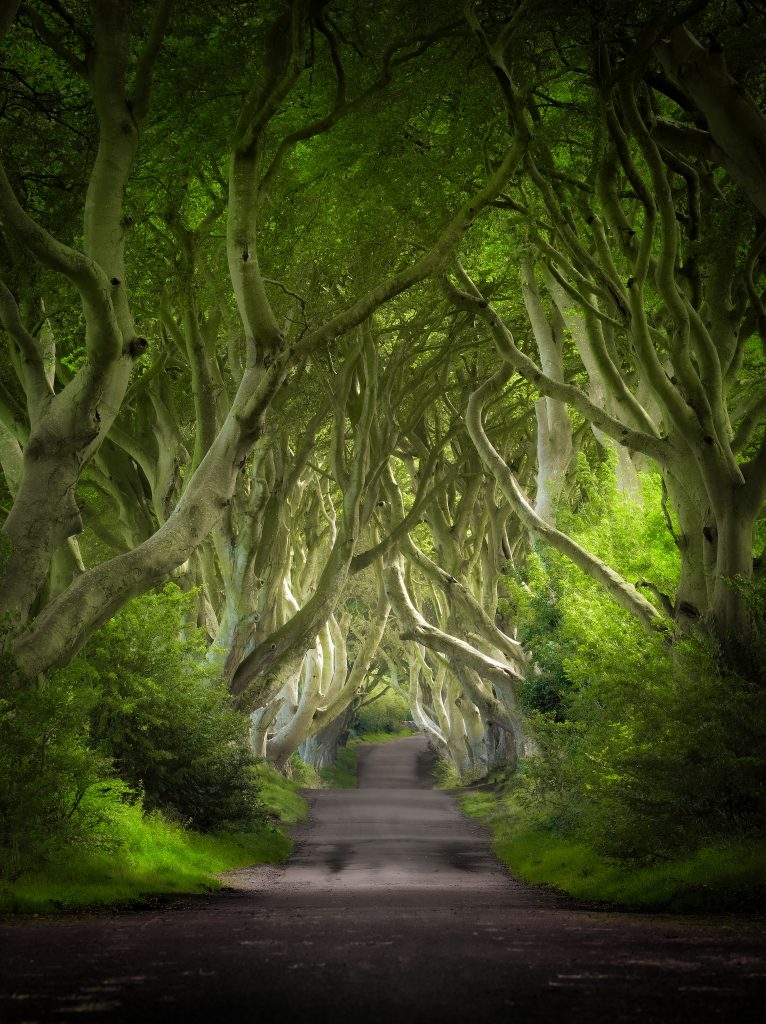
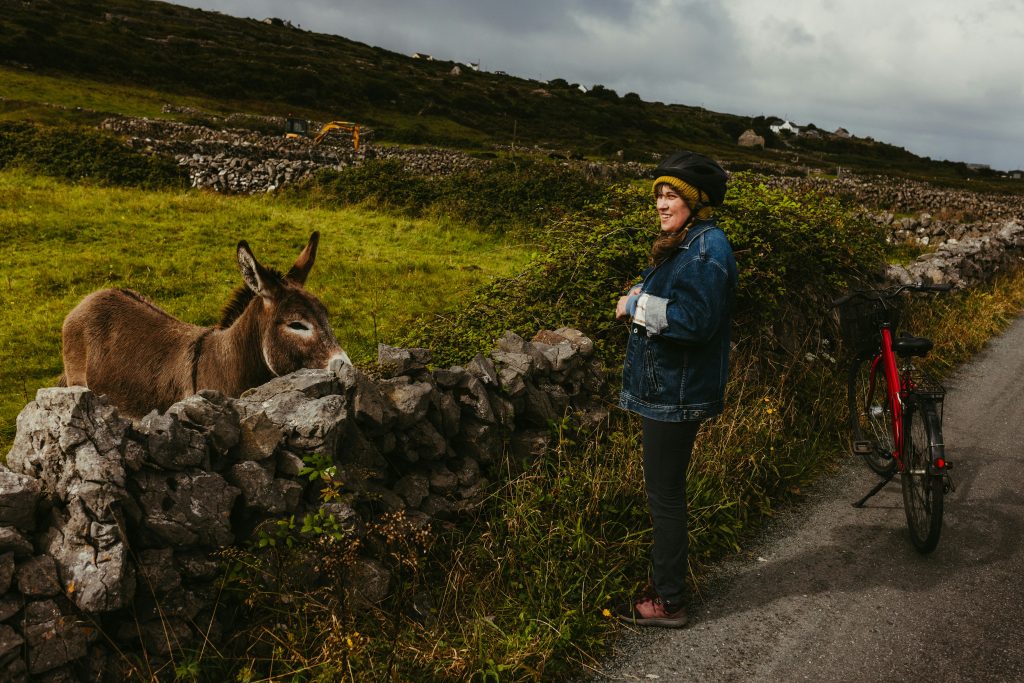
The Best Time to Visit Ireland (And What Most Travelers Get Wrong)

One of the most common questions I get is, “When’s the best time to visit Ireland?”

The honest answer is that it depends on what kind of experience you’re looking for. And that’s exactly where most travelers get it wrong.

Many people assume summer is automatically the best time to go. Longer days, warmer temperatures, lush green landscapes. On paper, it sounds perfect. But Ireland isn’t a destination where weather alone should drive your decision.

Ireland is about atmosphere. Culture. Pace. Access. And how you want to feel while you’re there.

Summer in Ireland: Beautiful, But Busy

June, July, and August offer the longest daylight hours of the year. You can explore well into the evening, and the countryside is vibrantly green.

But summer also brings peak crowds, higher hotel rates, and greater competition for the best private guides, boutique hotels, and unique accommodations. Popular sites like the Cliffs of Moher and Blarney Castle can feel much more congested during this window.

If you’re planning a milestone celebration or traveling with multiple generations who need school schedules to align, summer can work beautifully. It just requires thoughtful pacing and early planning to make sure the experience feels seamless rather than rushed.

Shoulder Season: Ireland’s Sweet Spot

In my experience, late April through early June and September into early October often offer the most balanced experience.

You’ll still enjoy mild temperatures and blooming landscapes, but with fewer crowds and more breathing room. Restaurants feel relaxed. Smaller properties are easier to secure. Guides have more flexibility to personalize your experience.

This is when Ireland feels most intimate.

If your goal is cultural immersion, connection, and time to truly experience each place rather than simply move through it, shoulder season often delivers the richest return.

Winter and Early Spring: Atmospheric and Quiet

Ireland in late fall and winter carries a different kind of beauty. Fewer tourists. Cozy pub evenings. A slower rhythm of life.

It’s not ideal if your priority is long countryside drives and full sightseeing days, but it can be wonderful for travelers who value atmosphere and don’t mind layering up.

How Far in Advance Should You Book Ireland?

This is where timing becomes just as important as season.

For peak summer travel, I recommend beginning the planning process at least 9 to 12 months in advance. The best small hotels, castle stays, and private driver guides book quickly, especially for multi-generational trips or larger groups.

For shoulder season, 6 to 9 months ahead is typically ideal, particularly if you want access to top accommodations and specialty experiences like cooking classes, cultural workshops, or unique estate stays.

If you’re considering a fully hosted or curated journey with layered experiences built in, planning even earlier gives you the best options and the most flexibility.

Ireland rewards those who plan thoughtfully. The difference between a good trip and an extraordinary one often comes down to timing and access.

The best time to visit Ireland isn’t just about weather. It’s about aligning the right season with your travel style, your pace, and how deeply you want to experience the destination.

And when that alignment happens, Ireland stays with you long after you’ve returned home.

The Case for Slow Travel in a Fast World

We live in a world that moves quickly. Notifications buzz, schedules fill, and even vacations sometimes turn into tightly packed itineraries that feel more like logistics than leisure.

But travel was never meant to feel rushed.

More and more thoughtful travelers are embracing what’s known as slow travel. It’s not about doing less. It’s about experiencing more.

Slow travel is the art of moving through a destination with intention. It’s choosing depth over speed. It’s allowing space for connection, spontaneity, and meaningful discovery instead of racing from one landmark to the next.

In a fast world, it’s a quiet rebellion.

What Slow Travel Really Means

Slow travel doesn’t mean sitting still. It means traveling well.

It looks like:

  • Spending multiple nights in one destination instead of packing and unpacking daily

  • Walking through a historic neighborhood without watching the clock

  • Lingering over lunch at a family-owned restaurant

  • Having time to wander into a shop that wasn’t on your itinerary

  • Allowing a guide to tell the full story instead of just pointing at the highlights

It’s immersive travel at a thoughtful pace.

When we slow down, we notice more. The texture of old stone walls. The way light hits a countryside in late afternoon. The rhythm of a city waking up. The small cultural details that make a place feel alive.

Those are the moments that stay with you.

Why Pace Changes Everything

There’s a difference between seeing a country and experiencing it.

When travel is rushed, you return home with photos.

When travel is paced intentionally, you return home with perspective.

Slower itineraries allow you to:

  • Absorb history rather than skim it

  • Engage with locals rather than pass through

  • Rest properly between meaningful experiences

  • Reflect on what you’re seeing instead of immediately moving on

This is especially important in destinations rich with culture, landscape, and layered history. Countries like Ireland reward travelers who take their time. The rolling green countryside, the coastal roads, the castle estates, the music drifting from a pub in the evening. None of it was designed to be rushed.

Slow travel gives you permission to experience a place as it unfolds.

Thoughtful Design Makes It Possible

One of the most overlooked aspects of slow travel is how much planning it actually requires.

A well-paced itinerary doesn’t happen by accident. It takes intention to:

  • Balance guided experiences with personal time

  • Choose accommodations that support rest and comfort

  • Build in meaningful cultural moments without overfilling each day

  • Ensure transportation flows seamlessly between regions

When done well, it feels effortless. That’s the goal.

The beauty of curated travel, particularly in small groups, is that the structure is there. The details are handled. But the experience never feels hurried.

You’re supported, but not rushed.

A Different Way to Return Home

When you travel slowly, something shifts.

You don’t come back saying, “We saw everything.”

You come back saying, “We felt it.”

You remember the softness of green hills stretching endlessly into the distance. The warmth of conversation with someone whose stories have been passed down for generations. The quiet satisfaction of ending a full day knowing you still have time to rest.

In a world that rarely slows down, travel can be the one place where you choose to.

If you’re ready for journeys that are immersive, intentional, and beautifully paced, I’d love to design something that allows you to experience a destination the way it was meant to be experienced.

How the Best Trips Are Designed (Not Booked)

There’s a noticeable difference between a trip that’s simply booked and one that’s thoughtfully designed. The difference isn’t always obvious on paper, but it’s felt immediately once the journey begins.

Booking focuses on transactions. Dates, prices, availability. Design focuses on experience. How the trip flows. How it feels day to day. How much space there is to enjoy it rather than manage it. The best trips are rarely accidental, and they’re almost never rushed.

When travel is designed well, it starts with intention. Not just where you want to go, but how you want the experience to unfold. Do you want unhurried mornings or full days of activity? Do you value immersive experiences or time to simply be present in a beautiful place? Are you celebrating something meaningful, or protecting rare time together in a busy season of life?

Those answers shape every decision that follows.

Designing a trip also means thinking ahead. Timing matters. Access matters. The most seamless experiences often rely on securing the right accommodations, partners, and pacing well in advance. That’s what allows travel to feel effortless once you’re on the ground. When those details are handled early, there’s less compromise and far more confidence while traveling.

This approach becomes especially important for travelers who value quality over quantity. Luxury travel isn’t about doing more. It’s about doing the right things, at the right pace, with the right support. A well-designed itinerary removes friction. Transfers are coordinated. Experiences are curated. Expectations are clear. That clarity allows travelers to relax into the journey instead of troubleshooting along the way.

I see this most clearly with clients who have traveled extensively. They know the difference between a trip that looks good online and one that actually feels good while you’re living it. They value thoughtful sequencing, trusted partners on the ground, and an experience that feels cohesive from start to finish.

Valentine’s Day often prompts conversations about how we spend time together, but the most meaningful travel decisions usually happen outside of any single date. They happen when people decide to prioritize experiences that feel intentional and well-considered. Designing a trip, rather than rushing to book one, is often what makes that possible.
The trips clients remember most aren’t defined by how far they went or how busy they were. They’re defined by how smoothly everything came together and how present they were able to be once it did.

That’s the difference design makes.

Why Planning Travel Is an Act of Self-Care

When people talk about self-care, they often think about things that happen in the moment. A quiet morning. A day off. A reset button. But one of the most powerful and lasting forms of self-care happens long before you ever pack a suitcase.

It’s planning future travel.

Travel planning is more than choosing a destination or booking a trip. Thoughtful vacation planning creates space to rest, reconnect, and look forward to something meaningful. For many travelers, especially those balancing busy careers, family responsibilities, and full calendars, planning a trip in advance is a way to protect time for yourself and the people you care about most.

When travel is planned early, stress is reduced before the journey even begins. You have more flexibility, better options, and time to make decisions without feeling rushed. Whether you’re planning a luxury vacation, a multi-generational family trip, or a once-in-a-lifetime experience, early planning allows the trip to take shape intentionally rather than reactively.

There’s also a strong connection between travel anticipation and well-being. Knowing you have a future trip on the calendar can boost your mood, give you something positive to focus on, and help you mentally step away from everyday pressures. This is one reason why many travelers find that planning travel feels just as restorative as the trip itself.

For families planning multi-generational travel, early planning becomes even more valuable. Coordinating schedules, selecting comfortable accommodations, and designing an itinerary that works for different ages and energy levels all take time. Planning ahead allows for personalization, accessibility considerations, and pacing that makes the experience enjoyable for everyone.

Luxury travel isn’t about excess. It’s about ease, comfort, and confidence. It’s knowing your travel plans have been carefully designed so you don’t have to manage details at the last minute. Early travel planning supports that sense of ease by ensuring better availability, preferred accommodations, and experiences that align with your travel style.

Choosing to plan travel is a decision to value your time and well-being. It’s a way to give yourself permission to rest, reconnect, and experience something meaningful without adding stress to your life. In that way, planning a trip isn’t another task on your to-do list. It’s a form of self-care that begins the moment you start imagining what’s next.

Planning With Intention

If you’ve been thinking about future travel, now is a wonderful time to start the conversation. You don’t need dates or decisions yet. Even sharing a general idea of what you’d love to experience allows me to begin watching options that fit your travel style and timing, so when you’re ready, everything feels calm, thoughtful, and well planned.

2026 Travel Resolutions

A new year offers a natural moment to pause and think about what you want more of in the months ahead. When it comes to travel, that reflection often leads to one simple question: how do I want my travel to feel?

Luxury travel isn’t about excess. It’s about intention. It’s about choosing experiences that feel seamless, meaningful, and well suited to where you are in life right now. As we look ahead to 2026, these travel resolutions are designed to help you plan with clarity, confidence, and care.

1. Plan Earlier to Protect Choice and Comfort

One of the most important travel resolutions you can make is to plan earlier. Early planning isn’t about rushing decisions. It’s about preserving options. The best itineraries, accommodations, and cabin categories are often secured well in advance, especially for peak seasons and high-demand destinations.

Planning ahead allows travel to feel calm and considered, rather than reactive.

2. Choose Quality Over Quantity

Travel doesn’t need to be packed with nonstop movement to feel fulfilling. A powerful resolution for 2026 is to focus on fewer destinations and deeper experiences. Longer stays, thoughtfully chosen hotels, and unrushed itineraries often lead to a more enjoyable and memorable journey.

Luxury is often found in the space to slow down.

3. Match Your Travel to This Season of Life

The way you travel should evolve as life does. A resolution worth embracing is to choose trips that align with your current priorities, energy, and interests. What felt right ten years ago may not feel the same today, and that’s a good thing.

The best travel plans reflect where you are now, not where you think you should be.

4. Put Meaningful Travel on the Calendar Early

Even one thoughtfully chosen trip can shape how an entire year feels. Having something meaningful on the calendar creates anticipation and focus. It turns travel into something you can look forward to rather than something you squeeze in.

For many travelers, that sense of anticipation is just as valuable as the trip itself.

5. Travel with People Who Enhance the Experience

Who you travel with often matters more than where you go. Whether it’s a partner, close friends, family, or a well-matched small group, shared experiences have a way of deepening connection.

A meaningful resolution for 2026 is to choose travel companions who make the journey feel easy and enjoyable.

6. Allow for Comfort and Ease Throughout the Journey

Luxury travel is as much about how you move as where you stay. Prioritizing convenient flight schedules, preferred cabin classes, and smooth transitions can dramatically improve the overall experience.

Comfort isn’t indulgent. It’s part of traveling well.

7. Choose Destinations That Offer Depth and Story

Some places stay with you because they offer more than surface-level beauty. They offer culture, history, and a sense of place. In 2026, consider destinations that invite curiosity and reward a slower, more immersive approach.

Travel becomes richer when there’s a story behind every stop.

8. Leave Space for the Unplanned Moments

The most memorable parts of a trip are often the quiet, unexpected moments. A long lunch, a conversation with a local, or an evening spent simply enjoying where you are.

Building space into an itinerary allows those moments to happen naturally.

9. Work with Someone Who Knows the Landscape

Luxury travel planning is about more than booking. It’s about understanding timing, access, and how different pieces fit together. One of the smartest resolutions you can make is to work with someone who can guide decisions and advocate for your experience.

That support often makes the difference between a good trip and an exceptional one.

10. Take the Trip That Feels Important Right Now

Some trips linger in the back of your mind for a reason. A milestone, a long-held dream, or simply a feeling that now is the right time. If a trip continues to come up for you, it may be worth listening.

Travel has a way of marking meaningful chapters in life.

A Thoughtful Way Forward

When travel is planned with intention, it becomes more than a getaway. It becomes part of how you mark time, celebrate moments, and create lasting memories.

As you look ahead to 2026, consider what kind of travel will support the life you’re living now. Thoughtful planning today often leads to the most rewarding journeys tomorrow.

Celebrating the Holidays in 2026: Christmas Markets in Europe and NYC’s Winter Magic

There’s something incredibly special about the holiday season. The lights, the music, the traditions, the feeling of being wrapped in a world that’s softer and more meaningful than the rest of the year. And every time I travel in December, I’m reminded that joy comes in so many forms, whether it’s sipping mulled wine beside a centuries-old cathedral or watching snow fall over Rockefeller Center.

If you’re already dreaming about how to make next year feel a little more magical, here are two unforgettable ways to experience the holidays in 2026.


1. Europe’s Christmas Markets: A Storybook December

A Christmas Markets river cruise feels like stepping into another world. AmaWaterways, Avalon, and Uniworld curate these journeys beautifully, blending comfort on board with the charm of Europe’s most festive towns.

Imagine this for your 2026 holiday season:

Cobblestone streets glowing with warm golden lights

Every evening, towns along the Rhine and Danube transform into little winter villages. Strings of lights overhead, wooden stalls filled with handmade ornaments, local pastries, and steaming mugs of glühwein that smell like cinnamon and citrus.

Unpack once, explore every day

One of the reasons I love river cruises for the holidays is the ease. You settle into your stateroom, and the world comes to you. Mornings might bring you to a baroque square in Vienna, afternoons to a medieval marketplace in Nuremberg, and evenings back on board for a cozy dinner while the ship glides quietly along the river.

The feeling you can’t quite put into words

There’s a hush to winter in Europe. A sense of nostalgia. A sense that you’re part of something timeless. It’s not just a trip. It’s a memory you’ll talk about for years.

If 2026 is the year you want something meaningful, peaceful, and joyfully festive, this is an unforgettable place to start.


2. Holidays in New York City: A Classic, Sparkling December

If Europe feels a world away, there’s a holiday experience much closer to home that’s every bit as magical: winter in New York City.

It’s a completely different kind of festive energy, but the emotional pull is the same.

Iconic storefront windows and twinkling Fifth Avenue nights

You stroll past window displays that feel like moving art. Every block is alive with music, lights, and the excitement of the season.

Skating beneath the Rockefeller Center tree

Even if you don’t step onto the ice, just being there feels like joining a tradition bigger than yourself. My grandfather used to take us skating at Rockefeller Center, and that towering tree, the hum of the crowd, and the crisp winter air still feel like classic New York in its most joyful form.

Shows, special events, and cozy corners to escape the cold

Broadway performances, holiday concerts, elegant dinners, quiet cafes, and historic hotels decorated beautifully for the season. New York has a way of making even simple moments feel cinematic.

If you’ve ever dreamed of seeing the city in December, 2026 is the perfect time to make it happen.


Why start dreaming now

The holidays have a way of reminding us how quickly time moves and how important it is to create experiences we’ll treasure. Planning ahead for 2026 isn’t about adding another task to your list. It’s about giving yourself the gift of anticipation. Something beautiful to look forward to. Something that lifts your heart long before you ever pack a suitcase.

Whether you’re drawn to the charm of Europe’s Christmas markets or the sparkle of New York City in December, I’m here to help shape a holiday experience that feels personal and unforgettable.

When you’re ready, we’ll start dreaming together!